
Parents and family
- Encourage your student to make Summer Term part of their college experience

Did you know that six in ten UW–Madison students participate in at least one Summer Term before graduation?

It’s true! With more than 1,000 3-week, 4-week, and 8-week courses available on campus and hundreds online, UW–Madison’s Summer Term is a great way for your student to catch up with their studies or get ahead on credits toward graduation.
Popular sessions
Early 4 week session
May 17–June 13, 2027
8 week session
June 14–August 8, 2027
4 week session
June 14–July 11, 2027
4 week session
July 12–August 8, 2027

How can UW Summer Term help your student thrive?
Choose from 1,000 courses
Meet requirements
Get financial aid or scholarships
Stay on track for graduation
Work or intern
Study abroad
Take online courses
Lighten fall course load
Make memories
How to succeed
Tips for Summer Term success
Summer is a more relaxed atmosphere for students to be in school, but the pace of courses can be two to three times faster due to the condensed nature of Summer Term.
Here are some tried-and-true ways that students can succeed in a class with an intensive pace:
- Students need to give summer courses top priority. Although there are a lot of fun things to do outside of coursework during the summer, students need to make sure they don’t become a distraction from their courses. To be successful in Summer Term, advise students to use these activities as incentives to finish their schoolwork, not as a reason to avoid it.
- Mental preparation is key. Recommend students review course basics and buy their books prior to the first day of courses.
- Attend every class. Because the Summer Term format is accelerated, missing one course could set a student back. Therefore, it is important for students to plan their work schedule and trips around their course schedules. If a class period must be missed, students should reach out to their professor BEFORE the course begins to ensure that they stay on track.
- Study and form a study group. Finding the perfect summer study spot will help students focus on their courses, as will forming a regular study group with their classmates.
- Ask questions often. There is no such thing as a dumb question. Asking questions can help clear up any confusion and verify that course material is being understood.
- Long courses and lectures can be tough to power through, but getting enough sleep and bringing healthy snacks to eat during course can help students stay alert.
- Manage your workload. Advise students to make a conscious effort to manage their time. Students who are aware of how they spend their day can maximize productivity, which makes staying on top of coursework easier.
Are courses harder in the summer? What does “accelerated formats” mean?
Courses taught in Summer Term are “accelerated” because they cover what is usually a semester’s worth of material in three, four, or eight weeks instead of an academic year semester’s fifteen weeks. So, courses usually meet at least four days a week for a few hours each day, and students should expect to spend an additional few hours each day on reading and other homework.
Because courses are taught at an accelerated pace, courses may seem harder to some students. However, the course material taught in the summer is the same as it would be in the fall or spring semesters.
In order for your students to participate in summer courses, they should:
- Expect to spend approximately 18 hours per week on each 8-week, 3‑credit course.
- Have regular access to a computer with high-speed Internet if taking courses online.
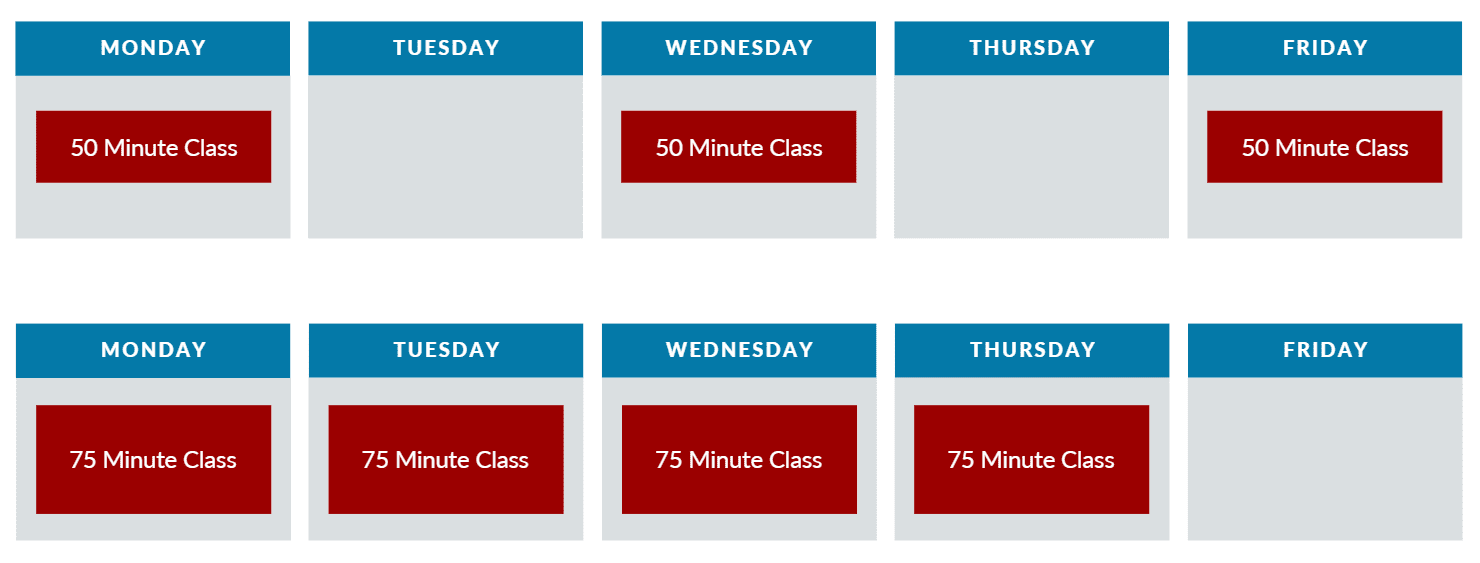
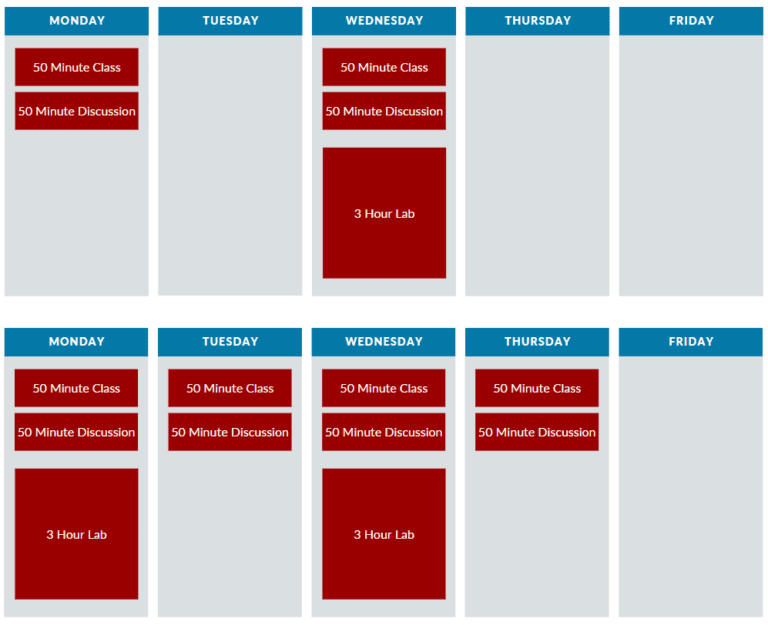
Typical 8-week summer courses, as compared to regular spring/fall courses:
3-credits: lecture only
5-credits: lecture, discussion, and lab

Summer Term has plenty to offer for adults, too
Are you interested? Parents can also be a part of UW–Madison’s Summer Term by applying as a University Special student. Visit the Adults and Professionals page for more information on special student requirements and how to apply.
FAQs
How long are Summer Term courses?
My student is doing great academically — isn’t summer term for students who are struggling?
What financial aid is available for Summer Term?
What courses are available?
How much does it cost?
What’s an online course like?
What sort of academic support is available during Summer Term?
Is housing available in the summer?
Can my student work on campus?
Who do I contact if I have any more questions?
Did you know? It is financially beneficial to complete a degree in four years with two Summer Terms, rather than taking a fifth year.